
TV Licence Scams
Lost money in a TV Licence scam? If so, read on to learn about your options, including potential refunds.
It is fairly common to see TV Licence scams these days. For example, you might get emails or texts claiming you owe money or your licence is about to expire. These messages look convincing, but, generally, they’re designed to trick you into handing over your personal details or payment information.
If you’ve already lost money or been refused a refund don’t worry. There’s still hope. Our fraud recovery service could help you to recover your losses and guide you through the process. You’re not alone and support is available.
Keep reading to find out how TV Licence scams work and how you can protect yourself. If you prefer to speak to someone directly call +1 (206) 609-6016 to talk to our specialists or contact us online to arrange a call back.
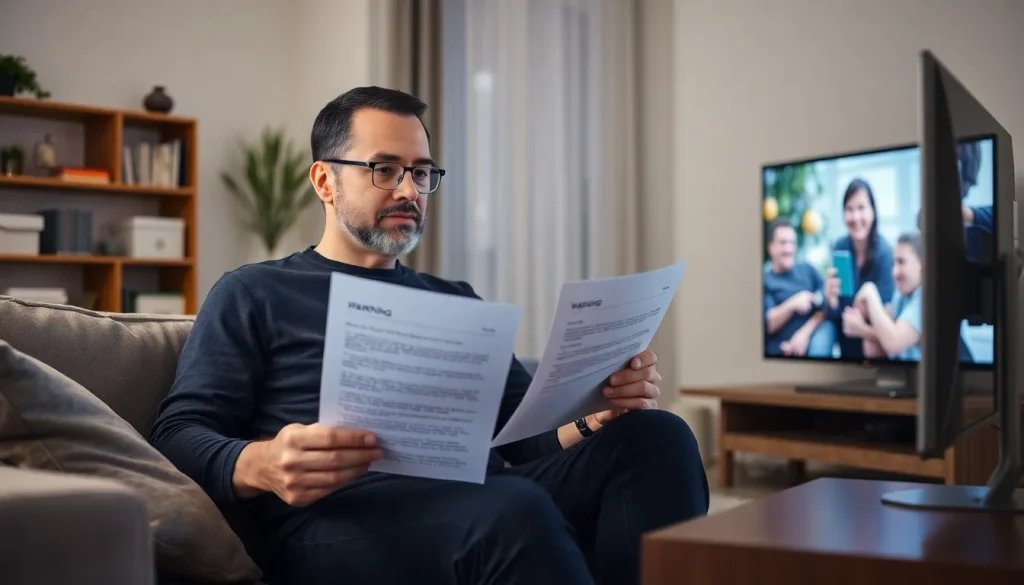
What Are TV Licence Scams?
TV Licence scams target your personal and financial details by posing as official communications from licensing authorities. These scams usually arrive via email, text or phone. Typically, you’ll see claims that your TV Licence is about to expire, your payment’s failed or that you’re entitled to a refund.
Examples of TV Licence scams include messages with fake renewal links, requests to “verify your account“, or offers of unsolicited refunds. Scammers may use branding that closely mimics official logos and colours. Unfortunately, if you follow the instructions within these messages, you’re putting your personal information at risk.
Some indications that these messages have been sent by scammers include:
Unexpected requests for payment or “urgent” account verification
Poor grammar, unfamiliar sender addresses or suspicious-looking links
Threats of fines or prosecution if you don’t act immediately
Importantly, if you have lost money in a TV Licence scam, you could be entitled to a refund. However, we know that some banks have refused to issue refunds for a variety of reasons.
For that reason, we offer a free consultation if you’ve lost money to TV Licence fraud. To see if we could help you get your money back (even if you’re bank has already turned you down), please call today.
How Capital Refund House Can Help
Examples Of How TV Licence Scams Work
TV Licence scams use realistic messages to target your personal or payment details. Scammers adapt official branding to increase their credibility. Here’s how these scams commonly operate:
Fake Payment Requests: You receive emails or texts claiming your TV Licence payment failed. These often provide a link to a fraudulent site requesting your card details.
Refund Offers: Messages appear to offer unexpected licence fee refunds. Clicking the link leads to a bogus form asking for sensitive information such as your bank details.
Account Verification: Communications state your details need updating to avoid service disruption. Attackers mimic the tone and appearance of legitimate organisations to extract data.
Threats Of Legal Action: Some threats involve fines or prosecution unless you act immediately. The urgency aims to make you respond without verifying the message.
Fraudsters frequently change tactics to evade detection.
Case Study: TV License Scam Leads To £20k Loss
A BBC report in 2024 shows that a woman lost £20,000 after she replied to a fake TV License email. After entering her details via a fake website, she realised she’d been scammed so got in touch with her bank right away to stop her card.
However, the scammers contacted her nearly a week later, pretending to be representatives of her bank. She was told that a £1,500 payment had been taken from her account that the “bank” were worried about. This was a scare tactic used to pressure the victim into allowing a call back via WhatsApp.
Within moments, the caller told the woman to press a few buttons on her phone so that he could help to make her bank accounts safe. Unfortunately, these keystrokes actually shared her screen with the fraudster. This meant he could see her other bank accounts.
During the next 90 minutes, pressure was applied to make the victim move money between accounts to “keep it safe“. After moving money, the fraudster instructed the woman to take out a £25,000 loan and then transfer it. At this point, she realised that something was amiss and decided to end the call.
Unfortunately, she’d already lost £20,000. This case study shows just how opening the TV Licence scam email, and sharing personal details can escalate and cause huge financial losses.
How To Spot The Signs Of A TV Licence Scam
Spotting TV Licence scams protects you from financial loss and identity theft. Scammers use tactics that create urgency, mimic official branding and request sensitive information.
Look out for these warning signs:
Unexpected payment requests — Messages claim you owe money or your licence’s expiring, often with threats of fines or prosecution.
Unusual sender addresses — Scam emails often use random characters or domains unrelated to official organisations, for example “tvlicensingsecure-update@randommail.co.uk.”
Poor grammar and spelling — Official organisations rarely send out messages containing multiple errors or awkward phrasing.
Requests for personal or banking details — Genuine authorities won’t ask for sensitive information by email or text.
Fake links or websites — Scam links lead to sites that resemble real TV Licensing pages, but often with subtle misspellings in the address.
Pressure to act quickly — Messages warn of immediate licence suspension, refunds or legal action if you don’t respond.
If you get a suspicious message, don’t click any links or provide personal data.
If you’ve lost money in any type of TV Licence scam, we’re here to help. Our aim is to secure refunds for any client we take on. Remember, our specialists try to secure refunds even when banks have already said no. Please call today for more information.
What To Do Following A TV Licence Scam
Here are some steps to take if you believe you’ve been scammed by TV Licence fraudster:
End communications with the scammer – do not believe anything they say. If they are genuinely from TV Licensing, they’ll understand.
Act quickly by contacting your bank, since you might be able to stop future payments or block the relevant account.
Change passwords for any accounts where you shared login details, using strong, unique credentials.
Keep copies of all messages and phishing emails, as well as any transaction records, to support your refund request.
Finally, if you can’t recover any money lost in the scam from your bank, please call our team for a free assessment of your case.
Can I Get My Money Back After A TV Licence Scam
In recent years, the Payment Systems Regulator (PSR) has introduced consumer protections to ensure victims of authorised push payments are refunded. As such, you may be entitled to a refund if:
You sent money to a fraudster during a TV Licence scam;
During the scam, you acted diligently and tried to confirm everything was legitimage;
You informed your bank about the scam as soon as you realised something was wrong.
However, despite these protections, our team is aware of many people who’ve been denied refunds by their banks. This is why our fraud recovery service exists.
If you want to recover money lost in a TV Licence scam and your bank won’t help, please call our team today.
What To Do If A Refund Is Refused
Refund refusals after TV Licence scams often depend on the bank or payment provider’s review of your claim. If you’ve received a refusal:
Ask for the decision to be reviewed by a more senior staff member or the complaints department. Ask for a written explanation about the banks decision.
Contact the Financial Ombudsman Service (FoS) and ask it to investigate. Your bank’s decision could be overturned.
If you still haven’t been refunded, speak to us for free legal advice. With our help, you could still receive a full refund even if your bank has refused to help.
Remember, we offer a free initial consultation, so we’ll review your case and offer legal advice about your options with no risk whatsoever.
How Our Team Can Help
If you’re feeling overwhelmed or unsure about what to do next after encountering a TV Licence scam, our team is here to guide you. We understand how stressful these situations can be, and we’ll support you every step of the way.
You’ll get tailored advice on reporting scams reclaiming lost funds and strengthening your security. Whether you need help reviewing your case or want to explore your options we’re ready to assist.
To see if we can get back the money that’s rightfully yours, please call +1 (206) 609-6016 today. Alternatively, hit the live chat button to connect with a specialist.
Don’t let scammers leave you out of pocket or anxious about your personal information. Reach out today and take the first step towards resolving your concerns with confidence.
Further Information
Action Fraud – Report a Scam:
Action Fraud is the UK’s national reporting centre for fraud and cybercrime, where you can report TV licence scams and receive expert advice on next steps.
TV Licensing – Scam Advice:
The official TV Licensing website provides up-to-date information on how to spot TV licence scams, what to do if you receive a suspicious message, and how to protect your personal information.
Citizens Advice – Scams Support:
Citizens Advice offers free, confidential guidance on recognising, reporting, and recovering from scams, including TV licence fraud, with tailored support for UK consumers.
Here are some more useful guides:
Car Insurance Scams
Details on how to get caught up in car insurance fraud.
TalkTalk Scams
Explains how to prevent losing money and spot fake messages from your Internet Service Provider.