
Vehicle Tax Scams
Lost money in a vehicle tax scam? If so, read on to learn about your options, including potential refunds.
Vehicle tax is something every driver in the UK needs to deal with whether you’re renewing your car or just bought a new one. It’s a legal requirement and not paying it can lead to fines or even having your vehicle clamped. Unfortunately, scammers have started targeting motorists with fake vehicle tax messages and websites making it easy to fall victim if you’re not careful. Therefore, we’ve produced this guide on how to spot vehicle tax scams and when you might be entitled to refund.
If you’ve lost money to a vehicle tax scam there’s a chance you could get a refund from your bank or payment provider. Even if you’ve already been turned down for a refund our fraud recovery specialists can provide free advice and could help to get your money back.
Read on to find out more about how vehicle tax scams work and what you can do to protect yourself. If you need help right away call +1 (206) 609-6016 to speak with our specialists or contact us online to arrange a call back.
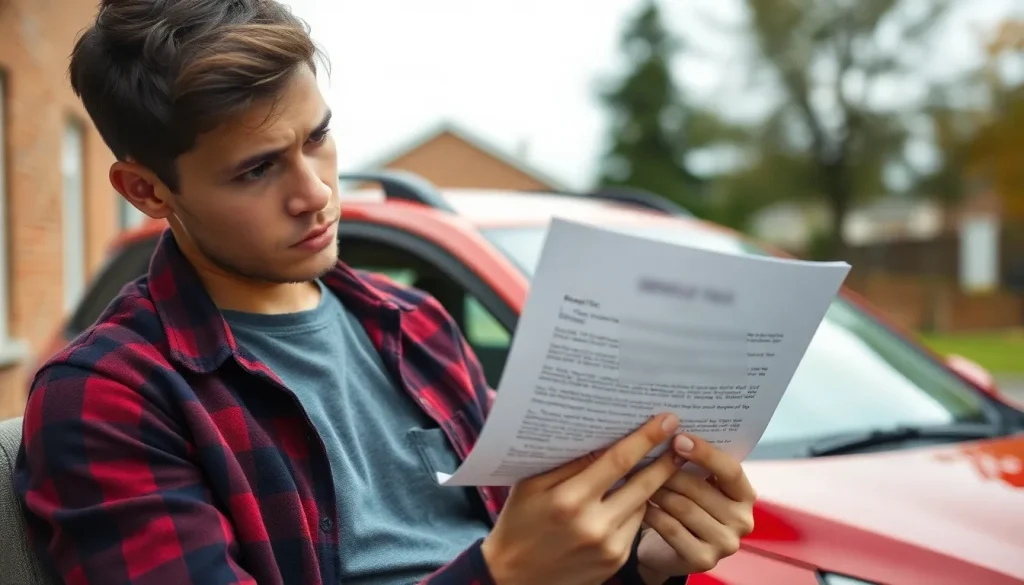
What Are Vehicle Tax Scams?
Vehicle tax scams use convincing messages, emails or calls that claim to come from official sources about your motor tax. Scammers send texts or emails that say your car tax refund is available, your payment’s failed, or further action is required. Fake web pages often copy the style of genuine government websites, requesting your bank details and personal information.
If you’ve fallen victim to a vehicle tax scam, report the incident to your payment provider immediately and keep all messages. Banks might be liable for a refund under Authorised Push Payment (APP) reimbursement if you acted carefully and alerted them promptly.
If they fail to refund you, please contact us for a free assessment of your case. Our specialists will review your case and may present a claim to your bank or the responsible party, even if you were previously refused a refund.
How Capital Refund House Can Help
4 Example Vehicle Tax Scams You Might Encounter
Vehicle tax scams continue targeting UK motorists, often with convincing tactics. Here are examples, common warning signs, and what steps you can take if affected:
-
Fake DVLA Texts or Emails
Messages claiming vehicle tax payment failures or offering tax refunds regularly appear genuine. Scammers direct you to links resembling official sites, then request personal or banking details. -
Phishing Phone Calls
Fraudsters sometimes call, pretending to be from vehicle tax authorities, stating urgent tax payments are overdue. They may pressure you to pay immediately using debit card details, under threat of legal action. -
Imposter Websites
Search results can show sites imitating the GOV.UK portal for vehicle tax, often at the very top. These sites might ask for excessive information or process unauthorised payments. -
Refund Entitlement Scams
Emails or calls may suggest you’re owed a vehicle tax refund, requiring you to provide account information to “receive funds”, but actually aim to access your money instead.
If you’ve lost money in a vehicle tax scam but not been refunded, you have nothing lose by contacting our team for a free assessment of your claim. After all, we could get a refund even if your bank has already said no.
Case Study: £200 Vehicle Tax Refund Leads to £3,000 Loss
Eighteen-year-old Tom had recently passed his driving test and was excited to be on the road in his first car. When an email arrived stating he was owed £200 due to an overpayment of vehicle tax, the official-looking GOV.UK branding put him at ease. Clicking the link, he entered his banking details to “receive the refund.“ Within hours, Tom received a call from someone claiming to be his bank’s fraud team, saying they’d detected suspicious activity and urging him to move his savings to a new “safe account” immediately.
Trusting the caller’s urgency and authority, Tom transferred £3,000—his entire savings—straight into the scammer’s account. Only afterwards, when his bank alerted him to genuine irregularities, did he realise the devastating truth: there was no vehicle tax refund, and his money was gone. This incident illustrates how convincing phishing scams can drain unsuspecting victims of thousands—especially those new to digital risk—leaving not only financial loss, but shaken confidence and trust in official communications.
This is an illustrative case study that we’ve produced to show how easy it could be to fall for a vehicle tax scam and lose vast amounts of money.
Warning Signs To Look Out For
Vehicle tax scams often use urgent messages or official-looking websites to mislead you into giving away sensitive details or making payments. Spotting the warning signs quickly reduces the risk of financial loss. Typical indicators include:
-
Unfamiliar Website Addresses: Scam sites may look similar to official ones but often use web addresses that don’t end in “.gov.uk“. Example: “dvla-vehicle-tax.com”.
-
Poor Spelling or Grammar: Many fraudulent messages or sites contain mistakes or awkward phrasing.
-
Unexpected Demands for Payment: Genuine organisations rarely demand instant payment outside agreed channels.
-
Requests for Sensitive Data: Scammers often ask you to provide full bank details, passwords, or PINs to “confirm” your identity.
-
Unsolicited Contact: Texts, emails or calls you didn’t request often try to create panic over unpaid tax or threaten penalties.
-
Fake Refund Promises: Messages promising a tax rebate after clicking a link usually aim to harvest your details.
The rule of thumb is that if you’re suspicious about any type of message from the DVLA, do not respond. Instead, contact them directly to check the content of the message.
What Do I Need To Do After A Vehicle Tax Scam?
If you suspect that you’ve been targetted by fraudsters, take these steps after a vehicle tax scam:
-
Do not respond to the suspicious message, and avoid clicking any links or providing personal information.
-
Report the scam to Action Fraud, the UK’s national reporting centre for fraud and cybercrime.
-
Contact the DVLA directly using official government contact details to verify any vehicle tax communications.
-
Alert your bank immediately if you have shared any financial information or made payments.
-
Keep a record of the scam message, including screenshots, to assist with any investigations.
These steps may improve your chances of receiving a refund after a vehicle tax scam. They could also help your bank to stop further losses.
Will I Get A Refund For A Vehicle Tax Scam?
You could be eligible to claim back money lost in a vehicle tax scam if the scammer convinced you to send funds or share sensitive details.
If your payment went through via your bank, and you acted with caution, acting quickly once the scam surfaced, banks are now often required to reimburse under the APP scam reimbursement rules. However, it needs to be proven that the bank didn’t provide enough fraud protection.
In some cases, we know that banks have refused scam refunds based on the fact that the victim didn’t do enough to stop the transfer of funds.
What If I'm Refused A Refund?
Refund requests for vehicle tax scams sometimes get declined by banks or payment providers. You could still use several actions to challenge that refusal.
-
Request a Written Explanation: Ask your bank for a full written account of why it’s denying your refund claim. This record supports future complaints and clarifies the reasoning for the decision.
-
Contact the Financial Ombudsman Service (FOS): Submit your complaint to the FOS for an independent review. The FOS sometimes overturns banks’ decisions in cases involving Authorised Push Payment (APP) scams, especially if they find that proper fraud checks weren’t carried out.
-
Speak to Us: If you’re not satisfied with your bank’s decision or the FOS response, we may still be able to help. Our team specialises in spotting errors in banking decisions. As such, if they believe you should have been refunded, they’ll act on your behalf to try and get your money back.
Call Today For Free Legal Advice
If you’re worried about vehicle tax scams or think you’ve been targeted, don’t wait to get help. Quick action can make all the difference when it comes to protecting your money and personal information.
To claim a refund following a vehicle tax scam, please feel free to call +1 (206) 609-6016 today. You can also connect to our live chat service at a convenient time.
You’re not alone—there are free resources and legal experts ready to support you. Reach out today for guidance on your next steps and a free review of your situation. Taking that first step could save you from further stress and financial loss.
Extra Links and Resources
Action Fraud – Report a Scam
The UK’s national reporting centre for fraud and cybercrime, where you can report DVLA scams and receive guidance.
Gov.UK – Report Fraudulent Contact
Official DVLA page for reporting suspicious emails, texts, or websites claiming to be from the DVLA.
Take Five to Stop Fraud
A national campaign offering practical advice to help you avoid financial fraud and spot scam attempts.
Bitcoin Scams
Learn how to identify and avoid the latest Bitcoin-related frauds targeting investors and the public.
Ethereum Scams
Get informed about common Ethereum scams and discover steps you can take to protect your funds.
XRP Scams
Find out about tactics used in XRP scams and how to stay safe from cryptocurrency fraudsters